A tour of Varanasi's temples is an unmissable way to experience this city located on the banks of one of India's most sacred rivers. Delve deep into the country's religious symbolism as you explore some of its holiest sites.
Itinerary
After being picked up from your hotel first thing in the morning, you'll begin your tour of Varanasi's most iconic temples.
Your first stop will be the Shri Kashi Vishwanath Temple, one of the twelve Jyotirlingas, the most sacred temples dedicated to the god Shiva. According to Hindu beliefs, a visit to this holy site, alongside bathing in the river Ganges, is one of the ways to lead oneself down the path to Moksha, or liberation. The spectacular golden-domed temple is a must-see on any trip to Varanasi, whether for spiritual reasons or to admire its magnificent architecture.
The holiest of the seven sacred cities in Hinduism and an important site to Buddhists as well, Varanasi is nevertheless home to Christian temples too. You'll visit the Protestant Saint Thomas Church and the Catholic Saint Mary's Cathedral, two fascinating reminders of the true religious diversity of India.
Next, you'll head to Shri Durga, whose intense red façade makes it an unforgettable sight. Built by a Bengali queen in the 18th century, the temple is dedicated to the warrior goddess Durga. Your guide will tell you all about its symbolism - did you know its incredible red colour represents strength and power?
Continuing your tour, you'll make further stops at Varanasi's other important religious sites, including the Nepali Mandir, the Tulsi Manas Mandir and the Bharat Mata Mandir. The latter is dedicated to "Mother India", an important deity in this area. You'll also explore some of the city's most iconic ashrams, monasteries where spiritual teachers and students live together practising meditation and yoga.
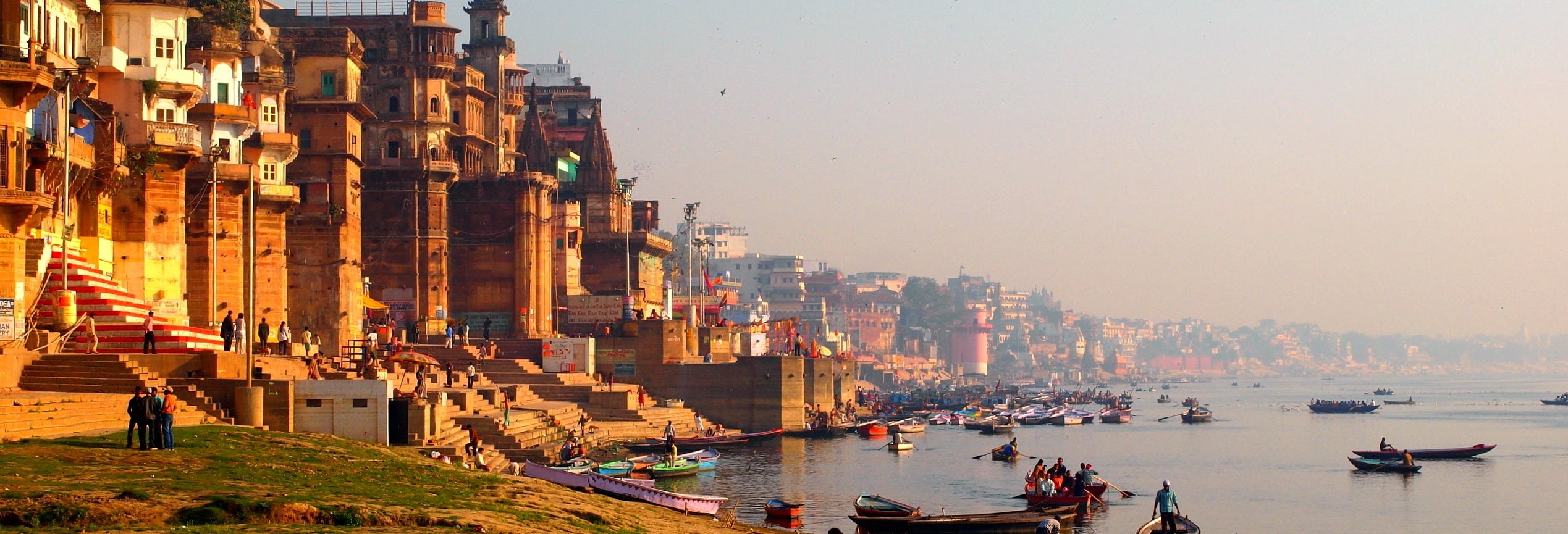
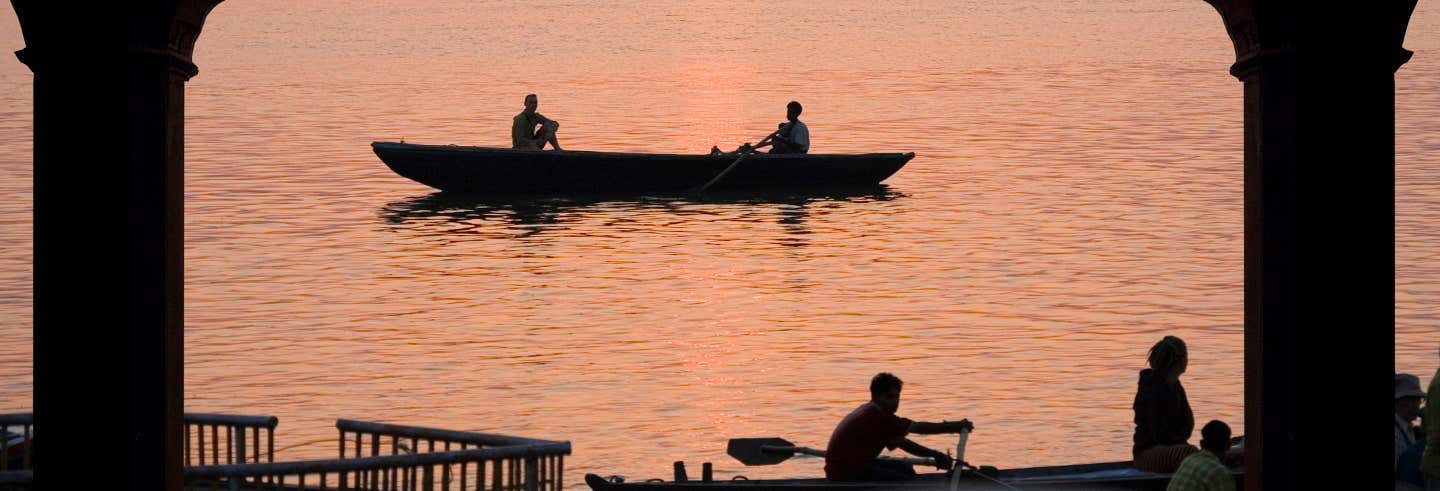
You'll finish your tour on the banks of the Ganges with a visit to its famous ghats, the steps which lead down to the sacred river. Hindus believe cremation at these holy places means eternal salvation, and the ghats are also used by those practising purification rituals.